
Don't Underestimate Your Brake Rotors, or Your Car Might Not Stop - HUSCH Knowledge Corner
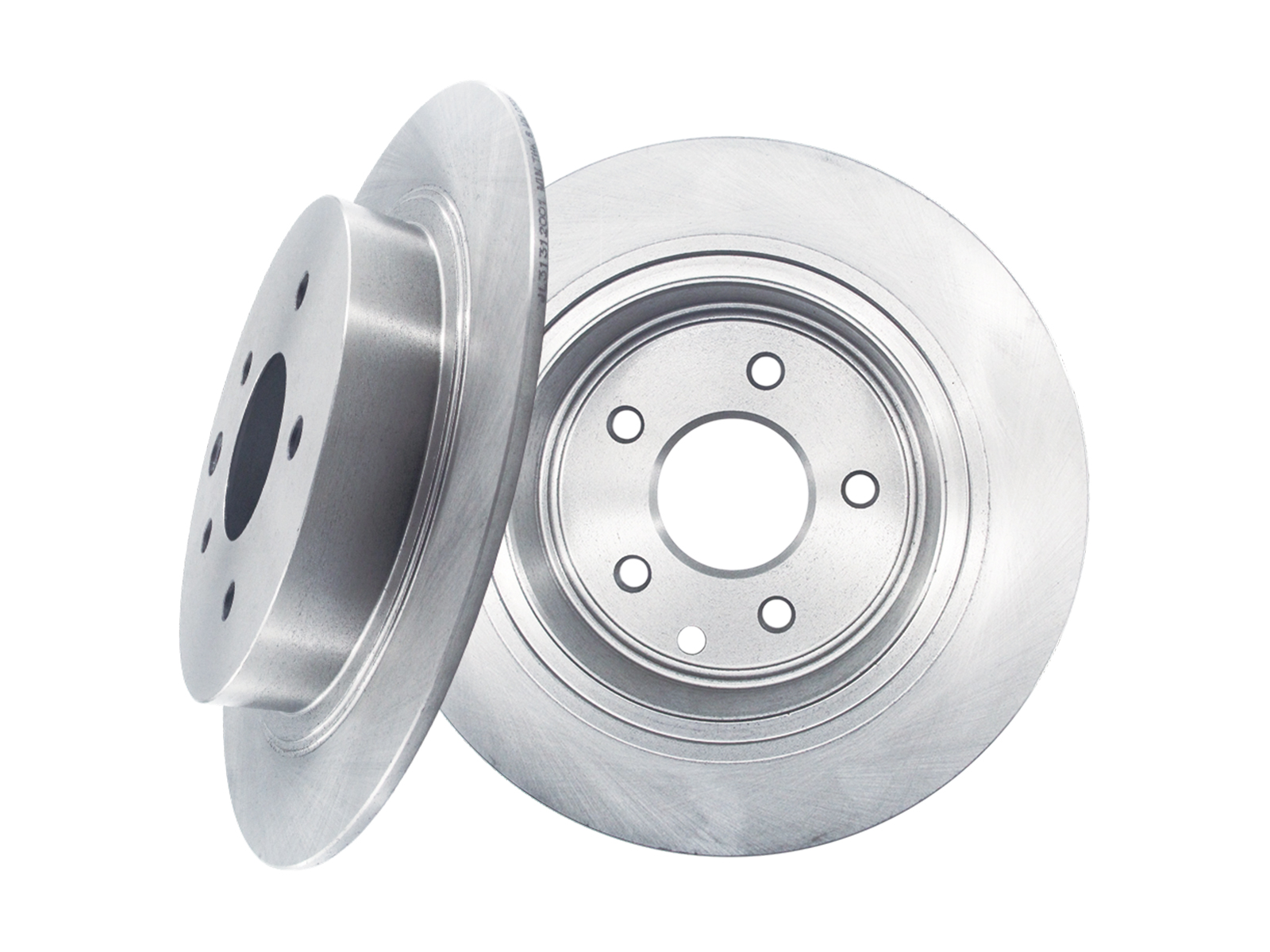
Your vehicle's braking system is a vital safeguard for daily driving safety. It achieves effective stopping power through the friction between the brake rotors and pads, ensuring safe travel. What warning signs indicate that your brake rotors have exceeded their usable limit and need replacement? And how do brake rotors actually work?
1. What is a Car Brake Rotor?
A car brake rotor, also called a brake disc, is typically made from cast iron or composite materials, with its surface finely machined to a mirror-like finish. It's located inside the wheel, a metal disc that rotates along with the vehicle, working in tandem with the brake pads to perform braking.
When the driver presses the brake pedal, the brake caliper pushes the brake pads to clamp tightly onto the spinning rotor. The friction generated slows the wheel down until it comes to a complete stop. When the pedal is released, hydraulic pressure is relieved, and the pistons and pads retract via the seals' elasticity, allowing the rotor to spin freely again. Therefore, the quality of the brake rotor directly impacts braking performance and driving safety.
2. Understanding the Most Common Brake Rotor Issues
(1) Brake Shudder/Vibration
A noticeable shaking in the steering wheel when braking, which worsens with higher speed and greater brake pressure, sometimes causing the entire body to resonate. This issue is often caused by localized overheating of the rotor surface due to frequent hard braking or sustained braking on long downhill stretches, leading to thermal deformation upon cooling. Additionally, improper torque on the rotor mounting bolts or rust/corrosion on the hub mounting surface can prevent the rotor from sitting flat, also causing vibration.
(2) Cracks and Corrosion on Brake Rotors
Small cracks or extensive surface rust can appear due to prolonged use or material fatigue. If cracks exceed 1.5mm in depth or are widespread across the surface, there's a risk of fracture, requiring immediate replacement. Furthermore, parking in damp environments for extended periods can cause surface rust. Light rust can be worn off through normal braking friction, but severe rust compromises the surface flatness, leading to reduced braking effectiveness.
(3) Braking Noise
Unusual noises during braking are a common sign of rotor problems. Scratches, deep grooves, or chipped edges on the rotor surface can create sharp metallic scraping sounds when in contact with the pads. In humid conditions, light surface rust can cause a "squeaking" noise during initial movement, which may lessen or disappear after some driving. Consistent high-pitched squealing or squeaking with each brake application could indicate rotor warping.
(4) Brake Rotor Warping
Rotors can warp due to extreme heat, long-term use, or improper installation, resulting in excessive runout (lack of flatness). Warped rotors cause vibration and noise during braking, can affect brake force distribution, and may increase stopping distances.
3. When to Replace Brake Rotors
Generally, brake rotors have a service life and should be replaced around 60,000 to 100,000 miles, often coinciding with the 2nd or 3rd brake pad change. However, both brake pads and rotors are wear items. The rotor's quality, the driver's braking frequency and intensity, and other factors all influence its lifespan. Therefore, the actual replacement interval should be determined based on the specific vehicle condition and driving habits.
For example, an Audi OEM brake rotor might start with a thickness of 28mm. When the rotor's thickness wears down to or approaches its minimum discard thickness, immediate replacement is necessary. Failure to do so compromises effective braking and, in severe cases, can lead to brake failure, endangering vehicle safety.
4. HUSCH Exists to Solve These Very Problems
What braking issues can HUSCH solve for drivers?
Brake Shudder/Vibration: Permanently addresses vibration caused by rotor thermal deformation, inconsistent material quality, or improper initial mounting surfaces (e.g., rust).
Abnormal Wear and Damage: Provides rotors with superior crack and corrosion resistance, reducing the formation of abnormal grooves and cracks, extending service life.
Braking Noise Nuisance: Significantly reduces sharp friction-induced noises through optimized material formulas and precision surface finishing.
Braking Performance Fade and Failure Risk: Ensures structural integrity and thermal stability under extreme conditions, preventing performance fade and guaranteeing stopping power when it matters most.
5. HUSCH Braking's Technical Features
High-Quality Materials & Precise Engineering: Utilizes high-grade alloy cast iron or advanced composite materials with optimized internal structures (e.g., ventilation vane design) to ensure excellent heat capacity, dissipation, and resistance to thermal deformation, tackling shudder and cracks at the source.
Stringent Quality Control: Rotor surfaces undergo high-precision machining to ensure extremely low initial runout and superior flatness. Rigorous quality control throughout the manufacturing process eliminates vibration risks caused by production tolerances.
Corrosion & Rust Resistance: Features anti-corrosion coatings or special surface treatments to effectively resist rust, keeping the rotor surface cleaner even in damp environments and reducing noise and flatness issues caused by corrosion.
Safety Standards Compliance: Products feature clear minimum safe thickness indicators and wear markers. They strictly adhere to or exceed OEM performance standards. We advocate a sensible maintenance philosophy: "Resurface with precision when possible; replace without compromise when necessary," ensuring your braking system remains in optimal condition.
Therefore, for brake upgrades or replacements, choose HUSCH first. We offer great value, with brake pads starting from just $15. You can find and purchase HUSCH products on major shopping platforms, with delivery available to your door.