
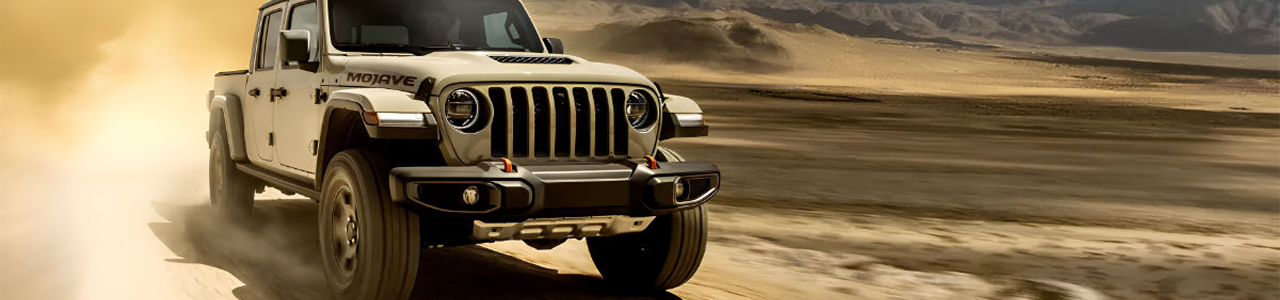
Born for extreme challenges
making safe driving more effortless.
Best-Selling Brake Pads
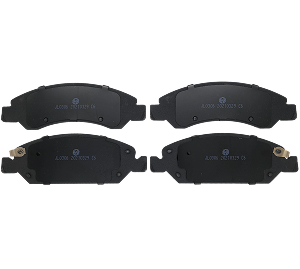
HUSCH Brake Pads: Superior Stopping Power, Less Compromise.
-
•
Fade-Free Performance: Advanced ceramic formula and engineered slots combat heat, ensuring consistent stops.
-
•
Quiet & Clean: Experience whisper-quiet braking and significantly less dust for cleaner wheels.
-
•
Built to Last: Robust construction provides reliable stopping power, mile after mile.



Best-Selling Brake Kits
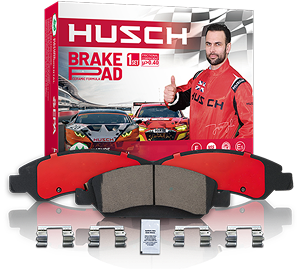
HUSCH Brake Kits: Extreme Performance, Engineered to Excel.
-
•
Fade-Proof Power: Military-grade composite withstands 800°C, maintaining a stable friction coefficient (0.42-0.45) for reliable stops.
-
•
Vortex Cooling Tech: Patented design boosts heat dissipation by 60%, eliminating fade in traffic or on track.
-
•
Whisper-Quiet Stops: Advanced damping and TÜV certification ensure vibration-free, sub-28 dB operation with precise pedal feel.
Best-Selling Brake Rotors
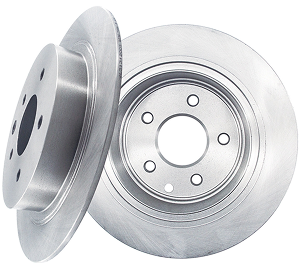
HUSCH Brake Rotors: Superior Cooling, Superior Stopping Power.
-
•
Military-Grade Composite: Stable 0.42-0.45 friction coefficient (above industry standard). Withstands 800°C for consistent performance.
-
•
60% Better Cooling: Patented vortex grooves dissipate heat rapidly, eliminating fade in heavy traffic.
-
•
Quiet & Precise: Under 28 dB operation with TÜV-certified damping for smooth, linear pedal feel.
Q: Which vehicle models are your brake kits compatible with?
HUSCH brake kits are designed to fit specific makes and models. To ensure a perfect fit, please use the vehicle lookup tool on our product page or contact our support team with your Vehicle Identification Number (VIN). This is the most accurate way to confirm compatibility.
Didn't find your answer?
Contact us
Q: Do your brake kits include all the necessary parts for a complete installation?
Yes. Every standard HUSCH brake kit includes brake rotors, brake pads, and all necessary hardware. Some premium kits also include wear sensors. The product description for each kit provides a detailed list of included components.
Didn't find your answer?
Contact us
Q: Do you provide step-by-step installation guides?
Yes. We provide detailed, step-by-step installation guides with photos and torque specifications for all our brake kits. These guides are available for download on our website's product support page.
Didn't find your answer?
Contact us
Q: What kind of warranty do you offer on your brake kits?
We offer a limited warranty against manufacturing defects. Specific warranty periods vary by product line, typically ranging from 1 to 3 years. Please refer to the warranty card included in your product package for full terms and conditions.
Didn't find your answer?
Contact us
Q: Do your brakes produce noise or squealing?
Our brake kits are engineered with noise-reduction features, such as chamfered pads and shims, to minimize the potential for noise. Occasional mild noise during the initial break-in period is normal and should subside.
Didn't find your answer?
Contact us
Q: What is the expected lifespan of your brake kits?
The lifespan varies greatly based on driving habits, vehicle type, and operating conditions. As a general reference, our brake pads are designed to last significantly longer than many OEM standard parts, but we cannot provide a specific mileage guarantee due to these variable factors.
Didn't find your answer?
Contact us
Q: My brakes are still making noise after I installed new pads and rotors. What's wrong?
Some noise during the initial break-in period is normal. If the noise continues, first confirm that the new pads and rotors are compatible. Persistent noise can often be resolved by cleaning the brake components and ensuring the pads are properly seated. If the problem continues, the rotors may need to be resurfaced or the pads replaced.
Didn't find your answer?
Contact us
Q: What regular maintenance does my brake system need?
For routine maintenance, regularly check the thickness of your brake pads and the condition of your rotors. Inspect brake lines for any signs of wear or leaks. It's also a good practice to check your brake fluid's moisture content every 5,000 miles or so and replace the fluid according to your vehicle's service schedule.
Didn't find your answer?
Contact us