Brake pads News
BRAKE PADS
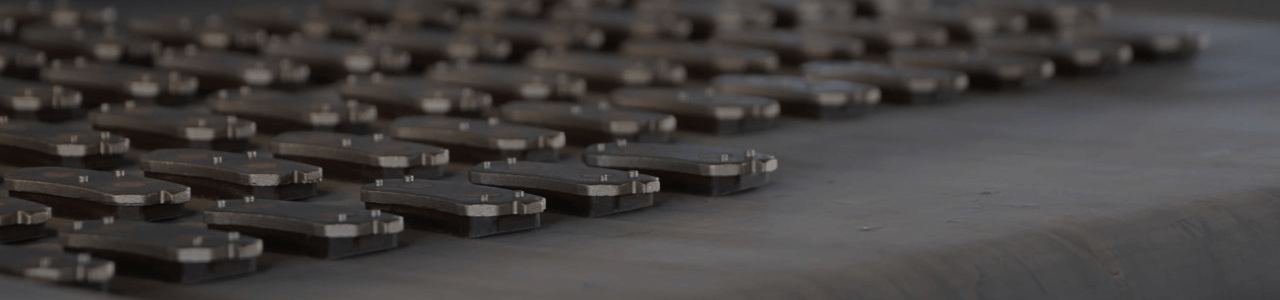
Brake pads are the core safety components of automotive braking systems, and their friction performance directly determines the braking effect.
Composed of steel plates, insulation layers, and friction blocks, the vehicle speed is decelerated through friction.
Regular wear checks and timely replacement are necessary to avoid brake disc damage and brake failure.
The quality directly affects driving safety, especially during emergency braking.
DO YOU NEED TO REPLACE YOUR BRAKE PADS?
HUSCH PROTECH™
PROVIDE YOU WITH MORE CHOICES!



TIPS FOR REPLACING BRAKE PADS
- Instrument panel indicator light alarm
- Brake pad thickness too low
- Abnormal wear of brake pads
- Abnormal noise and wear occur
- The surface of the brake pad is covered with oil
- The wear indicator contacts the brake disc
BRAKE PAD FAQS
When the thickness of the brake pads is less than 3mm or there is abnormal metal friction noise during driving, they must be replaced immediately to ensure braking safety.
The replacement needs to be carried out synchronously with the left and right wheels. After installation, the running in should be completed through 50 gradual braking cycles.
It is recommended to check the thickness changes every month, and shorten the inspection cycle for driving in mountainous areas.
When sudden braking failure occurs, immediately downshift and intermittently use the handbrake to slow down.