
Brake Pads: How to Choose Semi-Metallic, Ceramic, or NAO
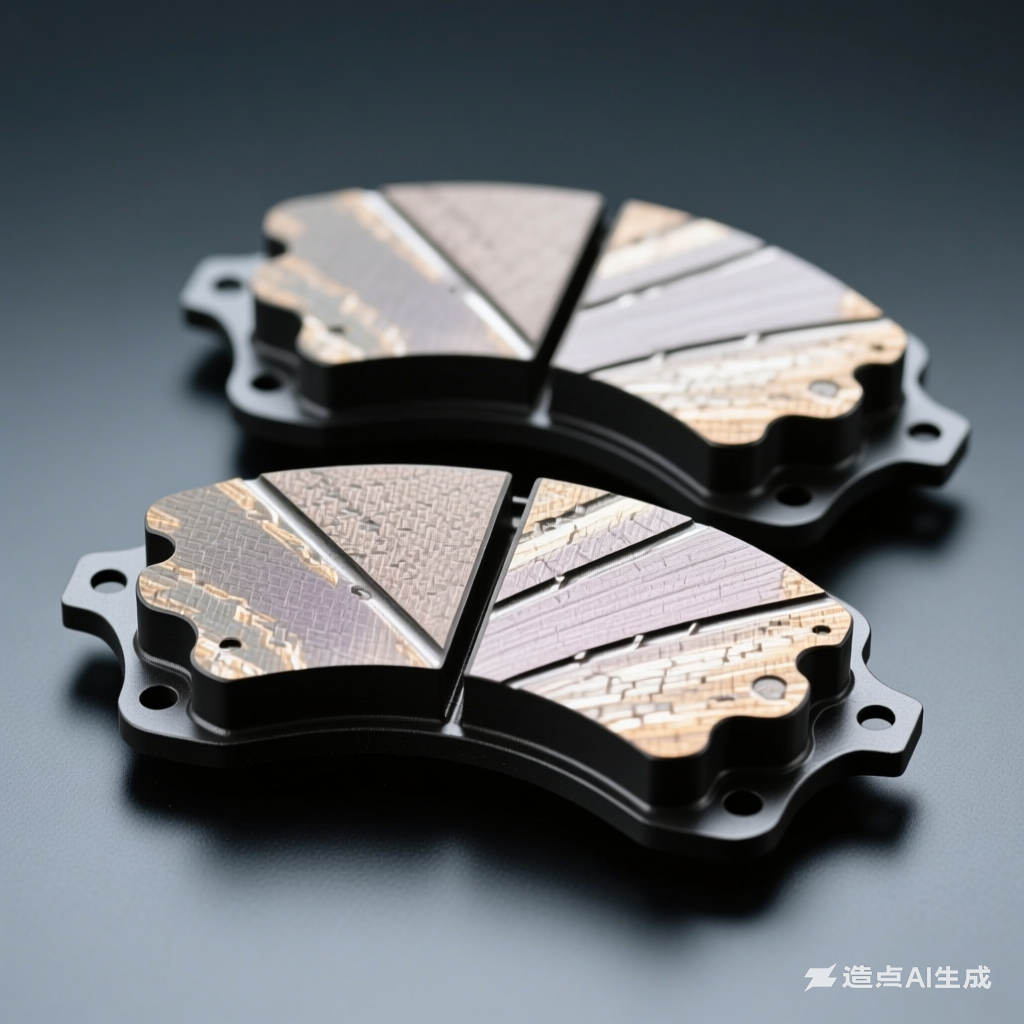
Meta Description :Confused by brake pad choices? Our clear guide compares semi-metallic, ceramic, and NAO pads to help you pick the right ones for your car.
Article Introduction : Choosing brake pads doesn't have to be hard. Learn the simple differences between the main types and get expert tips to avoid common mistakes.
When your mechanic recommends new brake pads, the choices can be confusing. Do you need semi-metallic, ceramic, or organic (NAO) pads? Picking the wrong type can cost you money and hurt your car's braking performance. This guide explains the options in plain language to help you make the best choice.
The Three Main Types: What's the Difference?
Think of brake pads as different kinds of pencil erasers. They all create friction against your car's brake rotors (the metal discs), but they behave very differently.
| Feature | Semi-Metallic Pads | Ceramic Pads | Organic (NAO) Pads |
|---|---|---|---|
| Simple Analogy | The workhorse. Strong and tough, but can be loud and messy. | The refined choice. Well-balanced and clean, but costs more. | The gentle commuter. Soft, quiet, and budget-friendly, but not for hard use. |
| Braking Feel | Firm and powerful. Provides confident stopping power. | Smooth and linear. Braking feels controlled and even. | Soft and gentle. Good for stop-and-go traffic. |
| Noise Level | Can squeal or squeak, especially when cold or wet. | Extremely quiet. Rarely makes noise. | Very quiet. Designed for comfort. |
| Brake Dust | High. Produces noticeable black dust that sticks to wheels. | Very Low. Produces minimal, light-gray dust that's less visible. | Low to Medium. Produces some dust, usually darker in color. |
| Durability & Wear | The pads last long but can wear down rotors faster. | Pads last very long and are very gentle on rotors. | Pads wear out quicker but are easy on rotors. |
| Weaknesses | Can overheat on long downhills; noisy in cold weather. | Slightly weaker initial bite in extreme cold; expensive. | Prone to "brake fade" (losing power) when overheated. |
| Price Range | Mid-range. The best value for performance. | Premium (often 2-3x the cost of semi-metallic). | Economical. Most common as original equipment. |
Which Brake Pad Should You Choose? (Match to Your Driving)
Stop worrying about specs. Choose based on how you actually use your car.
Scenario 1: "I just drive around town, very gently."
Your Need: Good value, quiet operation, less wheel cleaning.
Best Choice: A quality NAO pad or an entry-level ceramic pad.
Why: Your driving is easy. NAO pads are perfect and affordable. If your budget allows, ceramics offer even more quiet and cleanliness.
Scenario 2: "I drive hard, tow, or take mountain roads often."
Your Need: Consistent, powerful braking that doesn't fade when hot.
Best Choice: High-performance semi-metallic pads or sport ceramic pads.
Why: Semi-metallic pads handle heat the best. Some high-end ceramics also work well—look for "performance" labels.
Scenario 3: "I hate brake noise and dirty wheels. Budget is flexible."
Your Need: A silent, clean, and premium driving experience.
Best Choice: High-quality ceramic pads.
Why: Only ceramics reliably solve both noise and dust problems.
Scenario 4: "My car is an electric vehicle (EV) or hybrid."
Extra Factor: Heavy weight, regenerative braking (less pad use), corrosion resistance.
Best Choice: Ceramic pads are strongly recommended.
Why: They handle the weight, resist corrosion from disuse, and offer stable performance.
Pro Tips to Avoid Costly Mistakes
Always Replace in Pairs: Change the pads on both wheels on the same axle (front or rear) at the same time, with the same brand and type. Mixing can cause uneven braking.
Check Your Rotors: Before installing new pads, feel the edge of your brake rotor. If there's a sharp "lip" or deep grooves, the rotor needs to be resurfaced or replaced. New pads on bad rotors will fail quickly.
Listen for the Warning Sound: A constant, high-pitched metal scraping noise when driving (not just when braking) is often a wear indicator. It's a small metal tab telling you the pad is worn out. Replace pads immediately to avoid damaging the rotor.
Break In New Pads: Drive gently for the first 300-500 miles. Avoid hard stops. This "bedding" process transfers a thin layer of pad material onto the rotor for optimal performance and long life.
Questions to Ask Your Mechanic:
"Do my front and rear pads use the same material?" (They often don't.)
"Can my rotors be resurfaced, or do they need to be replaced?"
"What is the friction coefficient of these pads?" (For daily driving, 0.38 to 0.45 is typical.)
The Truth About Brands
"OEM" Isn't Magic: Your car's original pads are made by major brands (like Bosch, Akebono, Wagner). Buying those brands directly can give you the same quality for less money.
Beware of Super-Cheap "Ceramic" Pads: Real ceramic materials are expensive. Pads priced far below others are likely low-quality "ceramic-blend" pads that won't perform as expected. Stick with reputable brands from trusted sellers.
Final Word
The goal isn't to buy the most expensive brake pad, but the right one for you. It's about balancing stopping power, quietness, cleanliness, and cost. Taking a few minutes to understand your needs will save you money and give you peace of mind. Your safety starts with making an informed choice.