
FOR YOUR VEHICLE
How to Choose Brake Pad Materials: Ceramic, Metallic, or Organic
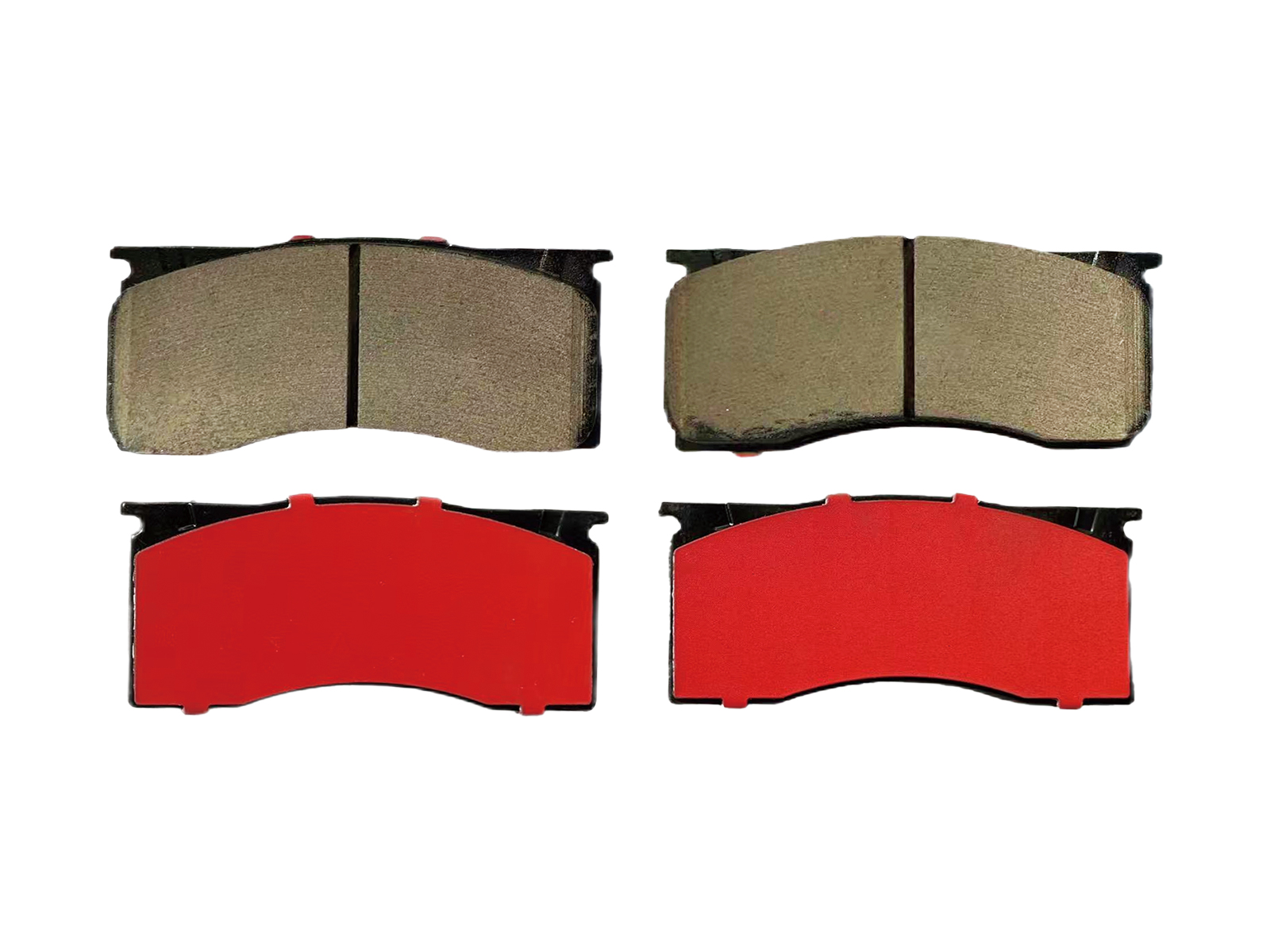
How to Choose Brake Pad Materials: A Guide to End the Confusion
Tags: Brake Pad Material, Ceramic Brake Pads, Metallic Brake Pads, Organic Brake Pads, Auto Braking Safety
Ready for new brake pads but confused by terms like "semi-metallic," "ceramic," or "NAO organic"? Different mechanics give different advice, and online opinions vary wildly. Your choice impacts how your brakes feel, your safety, and your long-term maintenance costs. This guide cuts through the noise, helping you find the perfect match for how you really drive.
1. Brake Pads: The Consumable Science of Safety
Brake pads are more than just parts; they're critical safety components that wear out. Every time you brake, friction against the rotor turns motion into heat, slowly wearing down the pad's material.
The material's recipe determines everything: how long it lasts, how it handles heat, the noise it makes, and the dust it produces. Choosing wrong can mean annoying squeals, dirty wheels, or worse—reduced stopping power when you need it most. Knowing the materials is your first step to a smart choice.
2. Metallic Brake Pads: The "Hardcore" Performance Choice
Often called "semi-metallic," these pads contain 30% to 65% metal fibers like steel or copper. This gives them distinct traits.
Their main advantage is strong heat resistance and durability. During long downhill drives or repeated hard stops, they resist "brake fade" better than other types. They also offer a firm, immediate pedal feel favored by performance drivers.
The downsides are clear. Metal-on-metal contact often causes more noise, especially low-speed squealing. They produce copious dark, iron-rich dust that sticks stubbornly to alloy wheels. Their harder composition can also wear down rotors faster.
3. Ceramic Brake Pads: The Well-Rounded "Quality" Pick
Don't let the name fool you—these aren't made from dishware. They're advanced composites using ceramic and aramid fibers.
They excel at daily-driver comfort and cleanliness. Their biggest benefit is near-silent operation. They produce minimal, light-colored dust that doesn't cake onto wheels. They're also very easy on brake rotors, helping them last longer.
The trade-offs? A higher price tag. In very cold weather, they may need a light application to warm up for peak performance. For most daily driving, however, they offer an excellent balance of quiet operation, clean wheels, and consistent stopping power.
4. Organic Brake Pads: The Economical & Comfortable Option
Known as NAO (Non-Asbestos Organic) pads, these are made from materials like glass fiber, rubber, and resin.
They prioritize comfort and value. They provide the smoothest, quietest brake feel of the three types. Being softer, they are very gentle on rotors. They are typically priced between metallic and ceramic pads.
Their limitations? They wear faster and don't handle extreme heat well. Performance can fade during aggressive driving or in sustained high-temperature conditions. They are best suited for gentle, around-town driving in lighter vehicles.
5. The Final Comparison & Our Recommendation
Let's compare the key points. For pure high-temperature performance and direct feel, metallic pads win. For all-around quiet, clean, and rotor-friendly operation, ceramic is the leader. For soft initial bite and low cost, organic pads are a contender.
So, which one should YOU choose? Match the pad to your driving:
· Choose Metallic Pads if: You drive aggressively, tow, frequent mountainous roads, or prioritize peak heat resistance and lower initial cost.
· Choose Ceramic Pads if: You're a typical commuter who values a quiet cabin, clean wheels, and long-term component life. The higher upfront cost pays off in daily comfort and reduced maintenance.
· Choose Organic Pads if: Your driving is consistently gentle, your vehicle is lightweight, and you're on a tight budget. They offer good comfort for simple, low-stress use.
Two Critical Safety Rules: First, always buy quality pads from a reputable brand—cheap, off-brand pads are a major safety risk. Second, after installation, follow a proper 300–500 mile break-in period with gentle driving and avoided hard stops. This allows the pads and rotors to mate correctly for optimal performance. Your safety starts with the right choice and proper care.