
FOR YOUR VEHICLE
When to Replace Brake Pads: Mileage vs. Thickness & How to Check
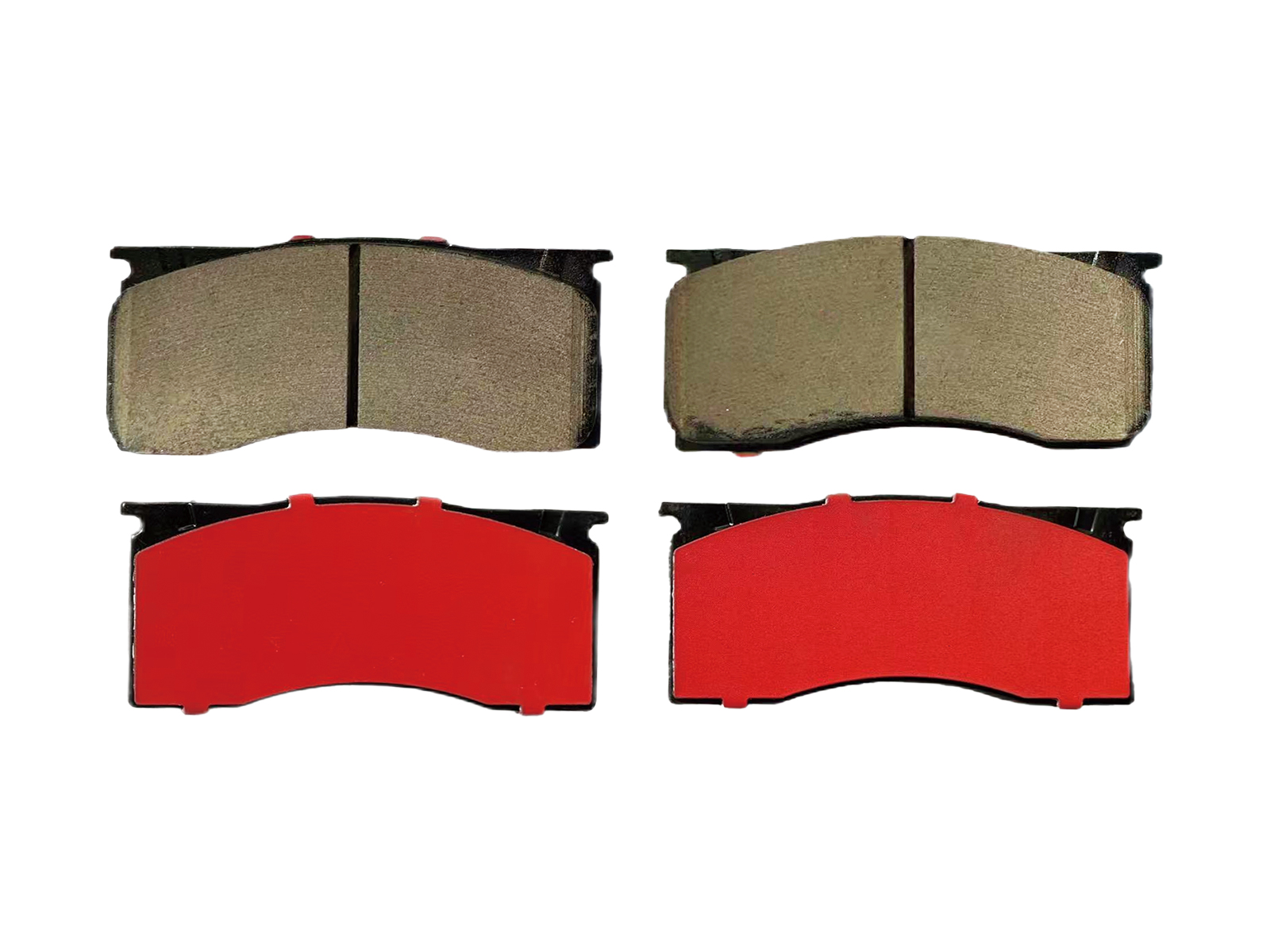
Your odometer climbs, but do you know a pair of "silent guardians" on your car is wearing thin? It's not the oil or tires—it's your brake pads, crucial for safety. Many drivers panic only after hearing a sharp screech. There's no fixed schedule for replacement; it depends on your driving, roads, and the pads themselves. Learn these simple checks to stay ahead of danger.
1. What Are Brake Pads, and Why Must They Be Replaced?
Before knowing "when," know "what" and "why."
Simply put, brake pads are the key parts that sacrifice themselves to stop your car. They consist of a steel backing plate, an insulating layer, and a thick friction material block. When you press the pedal, hydraulic pressure forces the pad to clamp the spinning rotor. The fierce friction converts your car's energy into heat, slowing you down.
This friction grinds the material away. When it's gone, braking power drops dangerously. The steel backing can then scrape against the rotor, causing expensive damage and potential brake failure.
2. Is There a Replacement Interval? Why Do Front and Rear Pads Differ?
A mechanic's "30,000 to 60,000 miles" is just an average—not a rule.
For most cars, braking shifts weight forward, making the front pads handle about 70% of the work. They typically wear 2-3 times faster than the rears. A common reference is: front pads around 30,000-50,000 miles, rear pads 60,000-80,000 miles.
But this varies wildly. Stop-and-go city driving shortens pad life. Long highway trips extend it. Aggressive drivers who brake hard will wear them out much sooner than smooth, gentle drivers.
3. How to Check Them Yourself: Listen, Feel, and Look
Don't just rely on the shop. Use these three methods.
First, listen for the "screech." This is your direct alarm. Most pads have a wear indicator—a small metal tab. When the material is nearly gone, this tab contacts the rotor, creating a persistent, high-pitched metal-on-metal screech. Heard this? Schedule replacement immediately.
Second, feel the pedal and your stopping distance. Notice if the brake pedal travels farther than before ("spongy" feel) or requires more pressure to slow down. Most critically, if your normal stopping distance seems longer, your pads are likely too thin.
Third, and most reliable: check the thickness visually. Look through your wheel spokes at the brake pad. A new pad's friction material is about 1.5 cm (0.6 inches) thick. Plan to replace it when only about 0.5 cm (3/16 inch) remains. If it's at or below 3 mm (1/8 inch), replace it now. Many modern cars also have a dashboard warning light for pad wear.
4. What to Choose Next? A Quick Look at Ceramic vs. Metallic
When replacing, your pad choice affects future performance and feel. The two main types are:
· Ceramic Brake Pads: Pros: Very quiet, produce little light-colored dust, are easy on rotors, and resist heat fade well. They often last longer. Cons: Higher cost. Initial bite in very cold weather can be slightly less sharp. Ideal for drivers who value comfort, clean wheels, and longevity.
· Metallic (Semi-Metallic) Brake Pads: Pros: Offer strong, immediate bite, are wear-resistant, and cost less. Cons: Can be noisier, produce dark dust that sticks to wheels, and may fade more during repeated hard stops. Common as original equipment on many cars.
For daily driving, ceramic pads are often the better long-term investment for comfort and reduced maintenance. Choose based on your driving style and budget.
Replacing brake pads is not a maintenance item to delay. It's vital for everyone's safety. Make a habit of checking the pad thickness through your wheel every 10,000 miles or at least twice a year. This simple act puts safety in your hands. Remember, the manual's mileage is a guide. What you see and feel is your true signal to act.