
FOR YOUR VEHICLE
Are Ceramic Brake Pads Worth It? Pros, Cons & Real Reviews
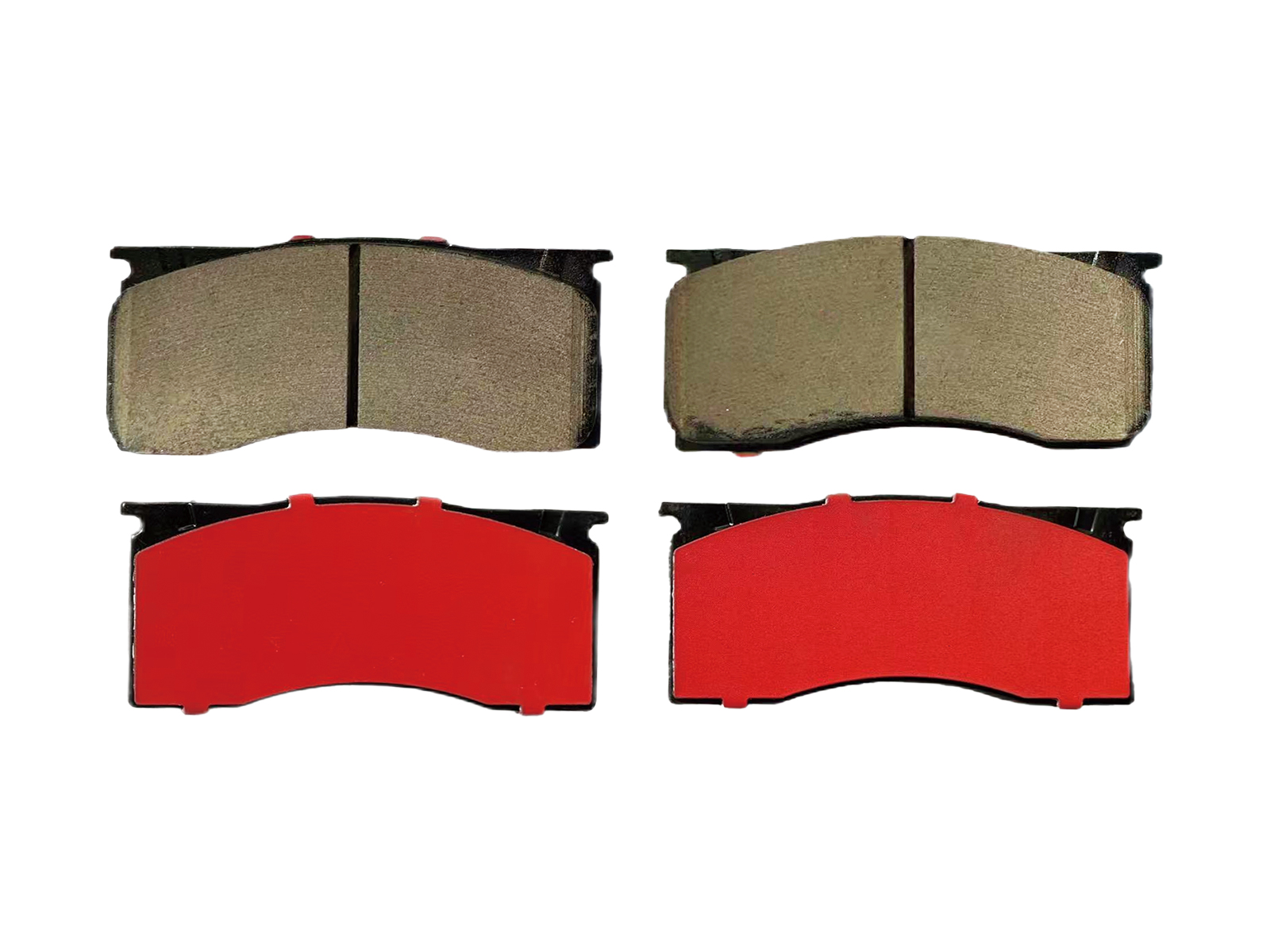
Thinking of upgrading to ceramic brake pads? They're often praised as "quiet," "long-lasting," and "high-performance." But you'll also find posts warning against them, citing noise, short life, and high cost. What's the truth? Are they a worthwhile upgrade or just marketing hype? Let's look at how they work and what real drivers say after long-term use.
1. What Are Ceramic Brake Pads? It's Not Just "Ceramic"
First, a common myth: automotive ceramic brake pads aren't made from dishware ceramic. They are a high-tech composite of ceramic fibers, aramid fibers, mineral fibers, special lubricants, and fillers. Complex manufacturing binds these to create a unique blend of properties traditional metallic pads lack.
The goal is to balance the heat resistance of semi-metallic pads with the comfort of organic pads. Their pros and cons show where this balance succeeds and where compromises exist.
2. The Real Advantages: Why They're an Upgrade
The benefits are real and noticeable for the right driver and car.
Superior Heat Resistance & Fade Resistance: This is the critical safety feature. On long descents or during repeated hard stops, brake temperatures can hit 500-600°C. Standard semi-metallic pads can fade (lose friction), making the pedal soft and stopping distances longer. Ceramic composites maintain a more stable friction coefficient at high heat, providing consistent, reliable power. Drivers report a firm, confident pedal feel on mountain roads with no late-braking weakness.
Better Daily Driving Experience: This covers three areas: First, quiet operation. With no hard metal fibers, they eliminate most high-pitched squealing, staying quiet in traffic and parking. Second, minimal dust. The light gray wear dust contains no iron, so it doesn't bake onto alloy wheels. A Mitsubishi Pajero owner noted wheels stay cleaner much longer. Third, they're rotor-friendly. The material is gentler on rotors, potentially extending rotor life by 20% or more, protecting a more expensive part.
Longer Service Life: High-quality ceramic pads are more wear-resistant, often lasting 50% longer than semi-metallic pads in similar conditions. While the upfront cost is higher, the cost per mile can be lower.
3. The Honest Limitations: When They're NOT Recommended
Ceramic pads aren't perfect for every situation.
Higher Upfront Cost: They typically cost 1.5 to 3 times more than good semi-metallic pads. This is an investment in comfort and long-term value, not a way to save money immediately.
Not for Every Vehicle: For heavy-duty use like towing or commercial trucks needing extreme thermal and mechanical capacity, specially formulated heavy-duty metallic pads are often more reliable and economical. Ceramic pads shine best on light-duty passenger vehicles.
Clearing Up Myths on "Poor Bite" & "Noise": All new brake pads need a proper 300-500 mile break-in period to mate with the rotors. Reduced initial bite during this time is normal, not a ceramic pad flaw. Regarding noise, installing ceramic pads on worn, grooved rotors can cause noise. For the best experience, have your rotors inspected and resurfaced or replaced if needed when installing new pads.
4. Buying & Using Tips: Get the Most from Your Upgrade
Follow this advice to enjoy the full benefits and avoid common pitfalls.
Match Them to Your Needs: If you drive a sedan, SUV, or performance car mostly in city/highway conditions and value quiet, clean, linear, and reliable braking, ceramic pads are a strong upgrade candidate.