
How Often Should You Replace Brake Pads? 4 Signs It’s Time – A Driver’s Guide
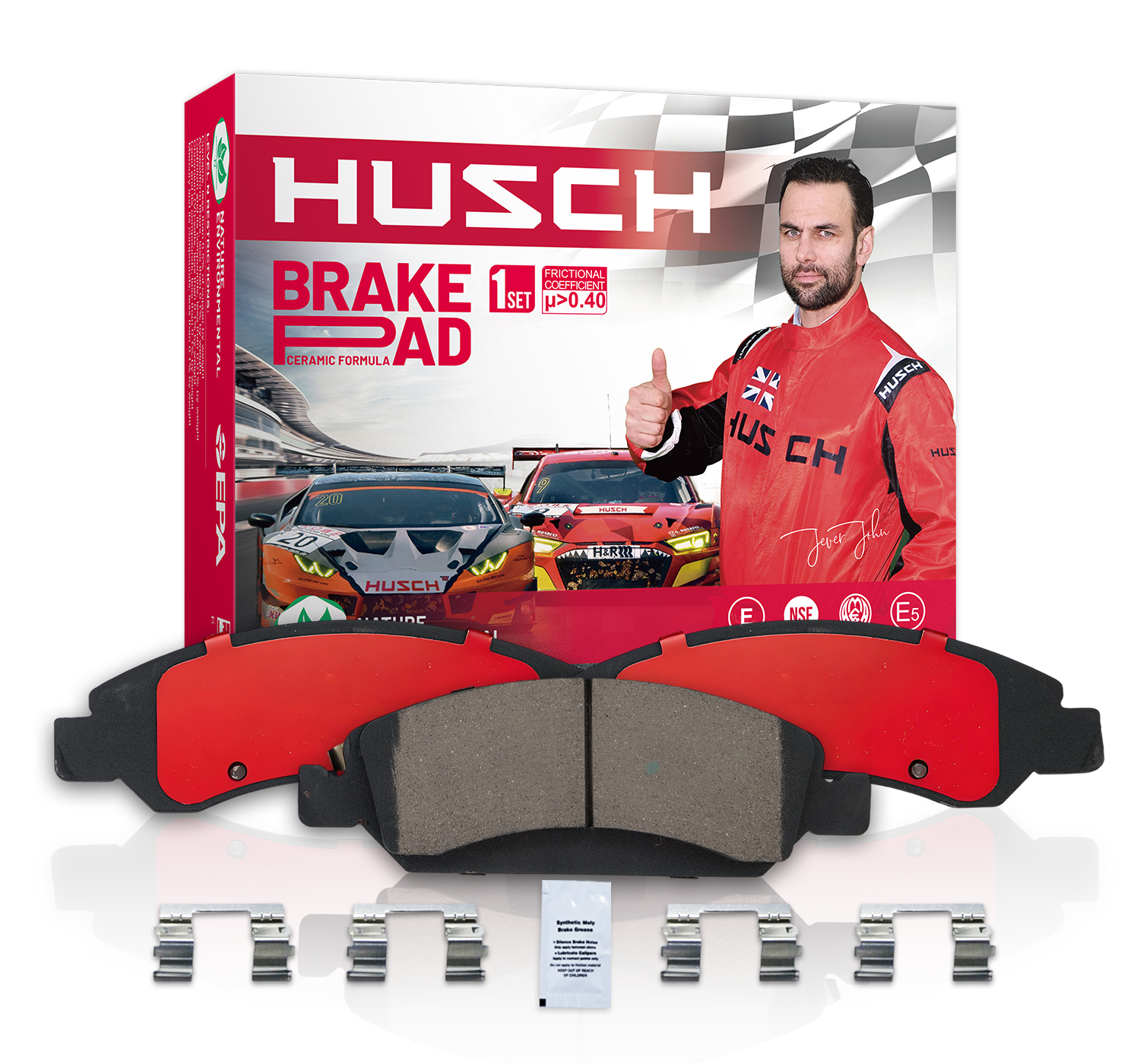
Brake pads are one of the most critical components in your car’s braking system. Their condition directly affects your safety on the road. So when should you replace them? How do you know if they’re worn out? Let’s break it down.
How Brake Pads Work
When you press the brake pedal, the caliper clamps the brake pads against the rotor, creating friction that slows or stops your vehicle. The performance of your brake pads determines how effectively—and safely—your car stops. That’s why keeping them in good shape is non‑negotiable.
General Replacement Intervals
- Front brake pads: 30,000 – 50,000 km (18,600 – 31,000 miles)
- Rear brake pads: 60,000 – 80,000 km (37,000 – 50,000 miles)
Important: These are estimates. Actual wear depends on pad material and your driving style. Always inspect and decide based on real condition. Here are four clear signs it’s time to replace them:
1. Check the Thickness
New brake pads typically measure about 10–12 mm (0.4–0.5 in) thick. When the friction material wears down to 3–5 mm (0.12–0.2 in)—roughly one‑third of original thickness—it’s time to replace them.
Critical: If thickness drops below 1.5 mm (0.06 in), replace immediately. You’re running on borrowed time.
2. Listen for Noise
A sharp, metallic screeching when braking usually means the wear indicator or the metal backing plate is grinding against the rotor. That’s your car telling you the pads are at their limit. Don’t ignore it.
3. Feel the Pedal
If the brake pedal feels spongy or you have to push it much deeper than usual to stop, your pads may have lost significant friction material. Have them checked right away.
4. Watch Stopping Distance
If your car takes noticeably longer to stop—even in normal conditions—your braking system isn’t performing as it should. Faulty pads are often the culprit. Inspect and replace immediately.
Good Habits That Extend Brake Pad Life
- Avoid hard braking and rapid acceleration. Anticipate traffic and drive smoothly.
- Inspect brake pads regularly and clean out debris like sand or metal shavings from the brake area.
- Always choose OEM‑quality or reputable aftermarket pads. Cheap parts compromise safety.
- At long stoplights or in heavy traffic, shift into neutral and use the parking brake instead of keeping your foot on the brake pedal. This reduces unnecessary pad contact.
HUSCH Brake Product Recommendation
We’re HUSCH, a UK‑based brand specializing in high‑performance braking systems.
When your vehicle needs new brake discs (rotors), pads, or a complete brake kit,
HUSCH delivers precision‑engineered, rigorously tested solutions that solve problems like extended stopping distance, brake pulsation (warped rotors), and squealing noises. Every stop is stable, controlled, and dependable—whether you’re commuting in traffic or pushing your car on a back road.