
Three Warning Signs It's Time to Replace Your Brake Pads
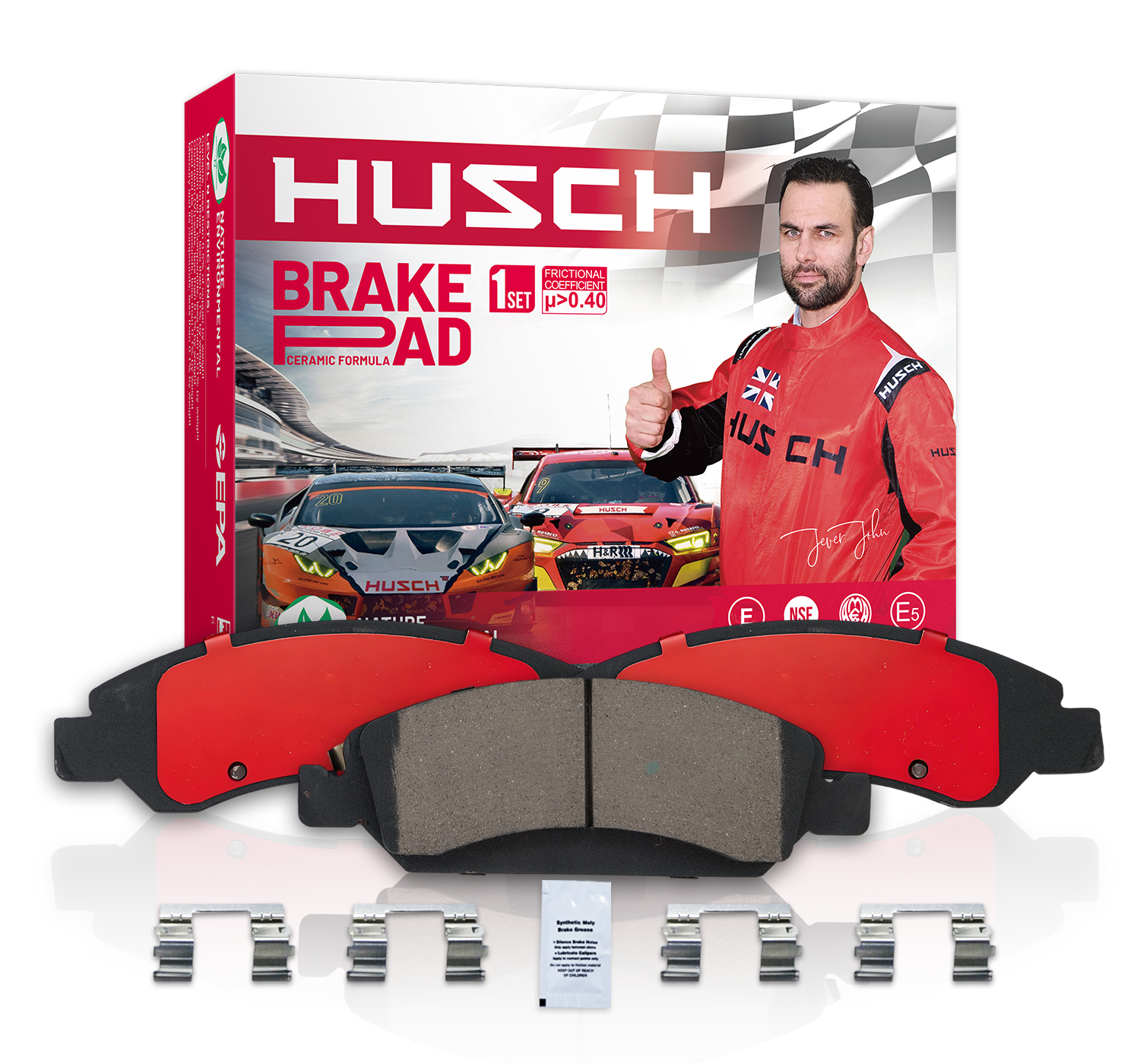
Summary: Watch for these three brake pad warning signs: squealing noise, spongy pedal feel, or pulling to one side when braking. Any one of them means an immediate inspection is needed.
Under normal driving conditions, front brake pads typically last 30,000–50,000 miles, while rear brake pads can last 70,000–90,000 miles—though actual wear depends on driving habits and vehicle type.
Here are three clear signs your brake pads need attention:
1. High-Pitched Squealing or Grinding
If you hear a sharp, metallic screeching sound when braking, pay attention. This usually means the wear indicator tab on your brake pad is making contact with the rotor. It's a built-in warning that the pad material has worn down to its limit. Have your brakes inspected as soon as possible.
2. Reduced Braking Response
Worn brake pads often result in longer stopping distances and noticeably weaker braking during the first half of the pedal stroke. You may feel the pedal is softer than usual—spongy, or requiring more travel to get the same stopping power. That's your cue to replace the pads without delay.
3. Vehicle Pulls to One Side Under Heavy Braking
If your car tracks straight during normal driving but pulls left or right when you brake hard, it's often a sign of uneven brake pad wear or a caliper issue on one wheel. One side may be at or near the wear limit. This affects both stopping performance and safety—get it checked immediately.
HUSCH Brake Product Recommendation
We are HUSCH, a UK‑based brand specializing in high‑performance braking systems.
When your vehicle shows signs of longer stopping distance, brake pulsation (warped rotors), squealing noises, or pulling during braking—and you need replacement brake discs (rotors), pads, or a complete brake kit—
HUSCH delivers precision‑engineered, rigorously tested braking solutions that solve brake performance issues at their source. Every stop is stable, responsive, and worry‑free.