
FOR YOUR VEHICLE
A Comprehensive Guide to Automotive Brake Systems
A Comprehensive Guide to Automotive Brake Systems: From Basic Principles to Modification Practices
Tags: Brake System, Brake Upgrade, Modification Guide, Caliper Selection, Driving Safety
Understanding Brake System Fundamentals
The automotive brake system serves as the core safety mechanism, comprising essential components like calipers, rotors, steel braided lines, master cylinders, and ABS systems. Its operational principle relies on hydraulic transmission that converts pedal pressure into braking force. Notably, during braking, vehicle weight transfer forward causes the front wheels to bear the primary braking responsibility (approximately 60-80%), explaining why front brake configurations typically outperform rear systems.
Comparative Analysis: Factory vs. Performance Brakes
Factory brake systems aim to meet fundamental safety requirements, commonly utilizing single-piston calipers and standard rotors, with emphasis on stability and cost efficiency. Performance brake upgrades, however, pursue enhanced capability and personalization through improved component specifications for superior stopping power and visual appeal. Critical to remember: any modification should maintain vehicle performance balance, particularly considering wheel and tire compatibility.
Performance Component Selection Guide
Caliber Choices: Multi-piston calipers deliver more linear pedal feel and even pressure distribution. However, more pistons don't always mean better performance - large six-piston units require greater pedal effort and higher maintenance costs. For most applications, 4-6 piston configurations provide the optimal balance.
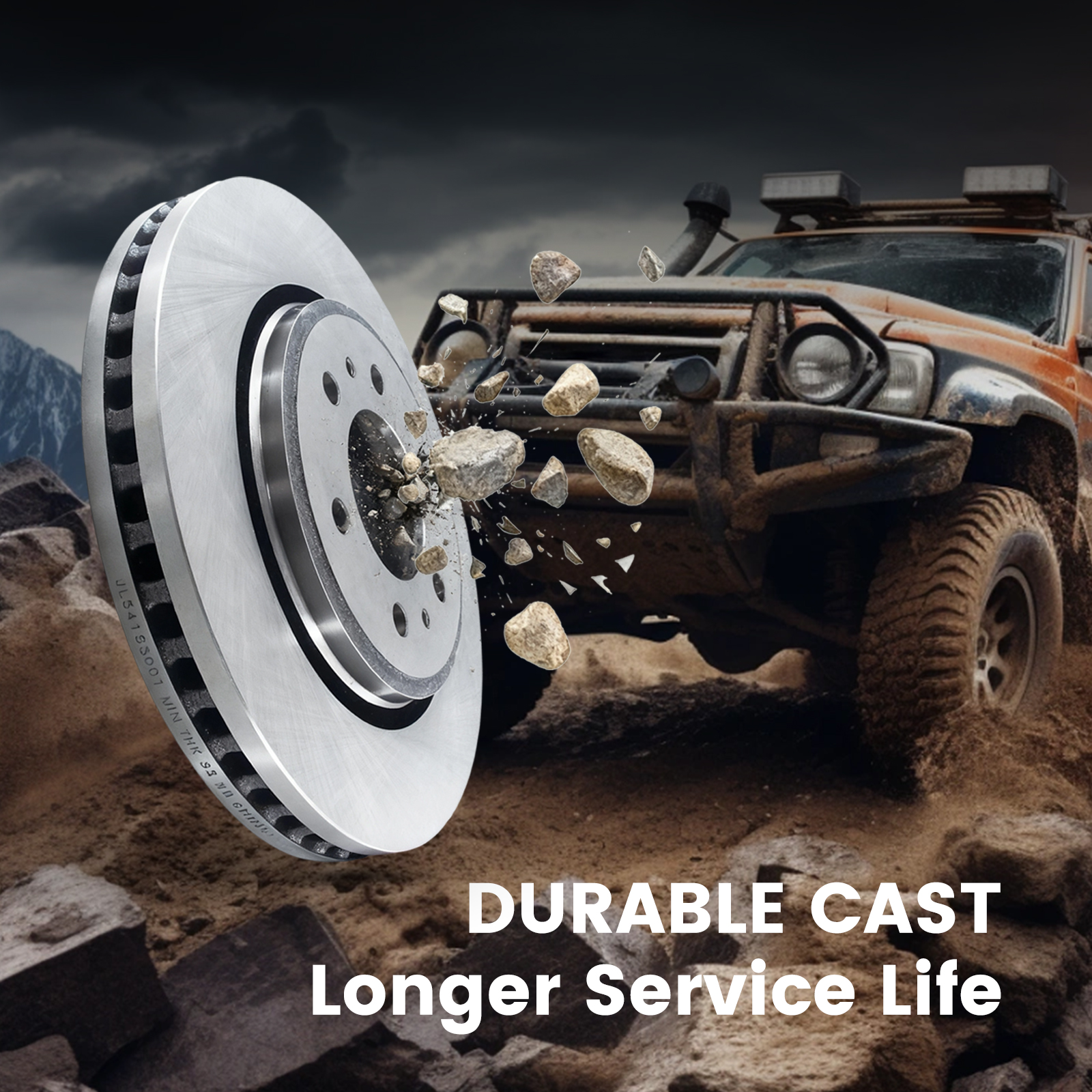
Brake Rotor Varieties: Vented rotors enhance heat dissipation, while slotted/drilled designs improve water and debris clearance. For daily driving, quality slotted rotors offer significant performance improvements.
Brand Selection Reference:
- International Brands: AP Racing and Brembo offer proven performance at premium prices
- Domestic Options: SAVANINI and TEI provide cost-effective alternatives
Consumers should select products through authorized channels, avoiding questionable used components or counterfeit products.
Rational Modification Recommendations
Brake upgrades should follow a "needs-matching" philosophy:
- Verify wheel clearance before selecting brake packages
- Consider unsprung weight effects on vehicle dynamics
- Balance stopping power with daily driving comfort
- Choose reputable brands and certified installers
Practical Case Study
A tenth-generation Accord Hybrid equipped with domestic SAVANINI six-piston calipers and 380mm rotors achieved noticeable braking improvement and visual enhancement within a 6,000 RMB budget. This demonstrates that for non-track daily vehicles, reasonably priced domestic brake kits represent a viable solution.
Conclusion
Brake modification constitutes a comprehensive engineering project requiring multiple considerations. Consumers should select optimal upgrade paths based on actual driving needs, budget constraints, and usage scenarios. Whether choosing international premium brands or domestic alternatives, the core principles remain product reliability and professional installation - ensuring enhanced braking performance without compromising safety.