
FOR YOUR VEHICLE
How Many Front Brake Pads to Replace? (It's Not 2)
Meta Description: Changing front brake pads? You need to replace all 4, not just 2. Learn why it's crucial for safety and how to avoid 3 common repair mistakes.
Article Introduction: Confused about how many front brake pads to change? This guide cuts through the misinformation, explains the safe way, and shows you how to spot bad advice from a mechanic.
The Simple Answer: Always Replace All 4 Pads
Think of your front brakes like using both hands to stop a spinning plate. Your brake pads are the "hands," and the rotor (brake disc) is the "plate."
The Right Way (Change 4 Pads): It's like using two new, identical gloves. The force is even, and the stop is smooth.
The Wrong Way (Change Only 2 Pads): It's like using one new thick glove and one old thin glove. The plate wobbles, stops poorly, and gets damaged.
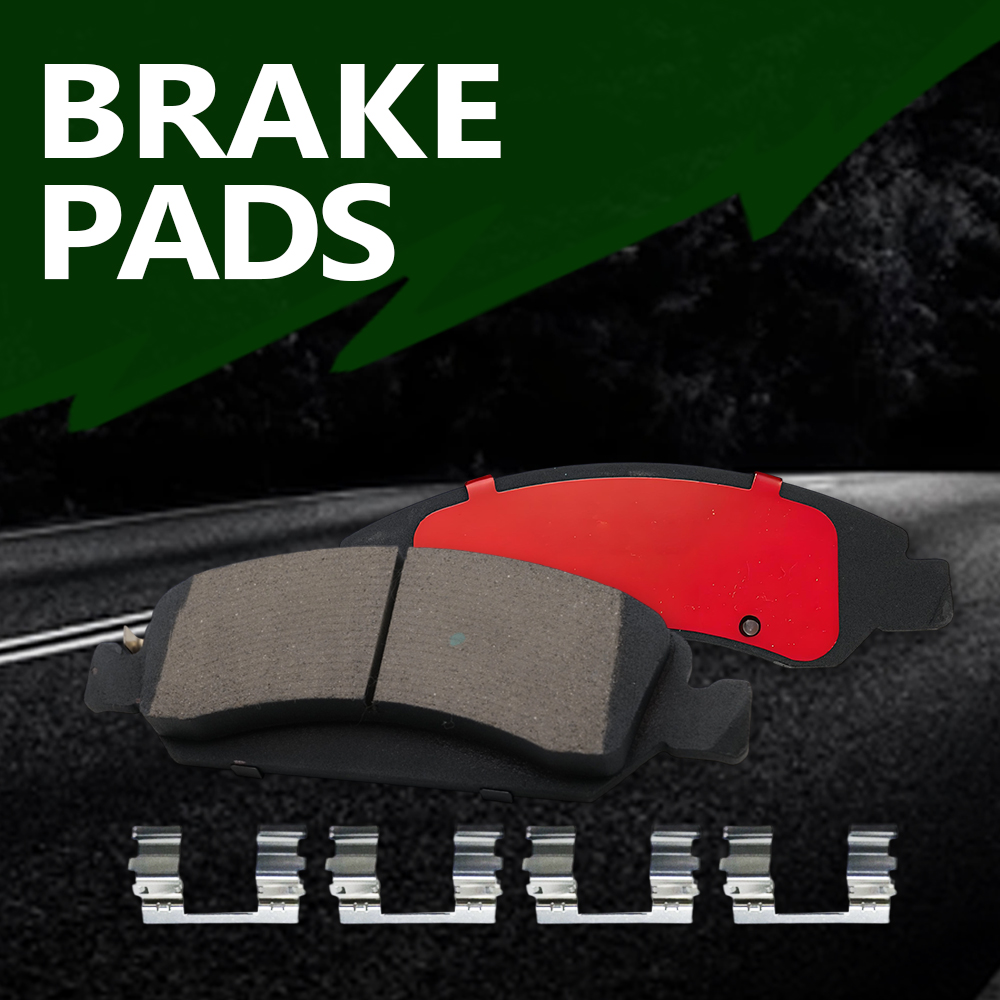
Why 4 Pads? Each front wheel has a brake caliper that squeezes two pads—one on the inside and one on the outside—against the rotor. Two wheels mean four pads total. Replacing only two (e.g., just the inner ones) causes dangerous imbalance, uneven wear, loud noise, and can gouge your expensive rotors.
3 Common Brake Service Myths to Avoid
Be wary of these misleading statements from repair shops.
| Myth | What You Might Hear | The Truth & Why It's Bad | What You Should Do |
|---|---|---|---|
| Myth 1: The "Budget" Change | "Let's just replace the two worst pads to save money." | This is dangerous. Mixing old and new pads on the same axle causes uneven braking, pulling, and rapid wear. | Replace in complete axle sets. Always change all four front pads together. |
| Myth 2: The "Convenience" Change | "Might as well do the rear pads now too." | This is wasteful. Front brakes do ~70% of the work and wear out 1.5-2 times faster than rears. They have different life cycles. | Replace front and rear separately. Check them independently based on actual wear. |
| Myth 3: The "Performance" Trap | "Get these racing pads; they're the best." | They're wrong for your car. Track pads need high heat to work and perform poorly, squeal loudly, and wear quickly in daily driving. | Choose pads for street use. Buy quality brands (like Bosch, Akebono) designed for normal driving—they're quieter, cleaner, and work better. |
How to Know When Your Front Pads Need Replacing
Don't wait for the shop to tell you. Check yourself with these three methods:
The Eye Test (Most Reliable)
Look: Through your wheel spokes, find the pad pressed against the metal rotor.
Measure: New material is 10-12mm thick.
Act:
Plan Replacement: At 3mm thick.
Replace Now: At 2mm or less.
The Ear Test (The Warning Scream)
Listen for: A constant, high-pitched metal scraping or squealing when driving or lightly braking.
What it means: The wear indicator tab is rubbing the rotor. Your pads are at their limit.
The Feel Test (Trust Your Gut)
Watch for: A brake pedal that feels soft, goes down farther, or requires more pressure to stop the car. Any vibration or pulling when braking is a major red flag.
What to Do After Getting New Brake Pads
Break Them In (The First 200-300 Miles): Drive gently. Avoid hard stops. This transfers an even layer of material from the new pad to the rotor for optimal performance.
Adopt Better Driving Habits:
Look ahead and coast to reduce unnecessary braking.
Don't "ride" the brakes downhill. Use a lower gear (Engine Braking) instead.
Get the Full Service: When replacing pads, a good mechanic must always:
Inspect or resurface the rotors if they are grooved or warped.
Check your brake fluid and recommend a flush if needed (usually every 2-3 years).
Your Action Plan for Safe Brakes
Know the Number: A full front brake job means 4 pads.
Spot Bad Advice: Walk away from any shop pushing the "budget" 2-pad change.
Check Regularly: Do a visual check every time you check your tire pressure.
Break In New Pads: Take it easy for the first few hundred miles after service.
Your brakes are your car's most critical safety system. Knowing these facts ensures you get the right service, protects your safety, and saves you from unnecessary repairs.