
FOR YOUR VEHICLE
Ceramic Brake Pads: A Practical Guide to Upgrading Your Car
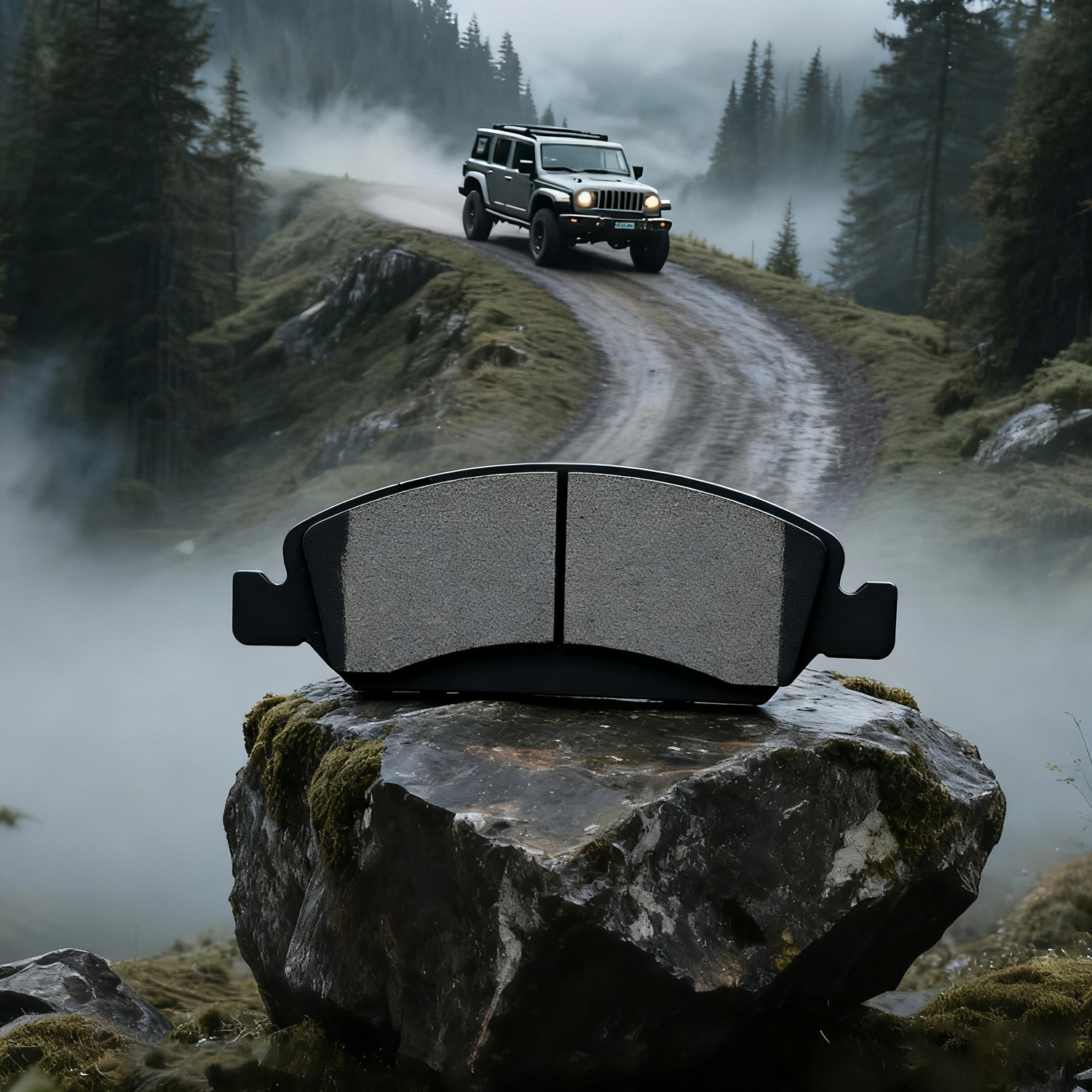
Upgrading your brake pads is a smart way to enhance your car's performance and safety. Ceramic pads are often marketed as a premium option, but are they worth it? This guide cuts through the hype to give you a clear, practical look at their real-world benefits and drawbacks, helping you decide if they're right for your vehicle.
Meta Description (100 chars): Thinking about ceramic brake pads? Our guide covers noise, cost, durability, and who they're best for. Make an informed upgrade decision.
Meta Description (100 chars): A no-nonsense guide to ceramic brake pads. Learn about their pros, cons, and real cost to see if this popular upgrade fits your driving needs.
Ceramic Brake Pads: A Practical Guide to Upgrading Your Car
Looking to improve your car's driving experience? Upgrading your brake pads is a great place to start. Ceramic pads are a popular choice, but are they the right fit for you and your daily drive? Let's look beyond the marketing to see what they really offer.
1. Key Benefits: More Than Just a Premium Name
A. Quiet Operation: No More Squeaks and Squeals
The Problem: Standard metallic pads often squeal due to metal particles vibrating against the rotor.
The Ceramic Fix: With little to no metal in their formula, ceramic pads eliminate that high-pitched noise. They stay quiet in all conditions—cold mornings, rainy weather, or stop-and-go traffic.
The Benefit for You: A much quieter, more refined cabin experience. Perfect for drivers who value peace and quiet, especially in city driving.
B. Excellent Heat Resistance: Fighting "Brake Fade"
The Problem: Hard, repeated braking (like on a mountain road) can overheat pads, causing a loss of stopping power known as "brake fade."
The Ceramic Fix: Ceramic materials handle heat exceptionally well. They maintain a stable friction coefficient at high temperatures, and some premium pads even perform better when hot.
The Benefit for You: Consistent, reliable braking performance during demanding drives. You get a firm, confident pedal feel that boosts safety and driver confidence.
C. Durability & Cleanliness: A Long-Term Investment
Longer Life: Ceramic pads are hard-wearing and can last 30-50% longer than semi-metallic pads.
Saves Your Rotors: They are gentler on brake rotors, potentially doubling your rotor's lifespan.
Less Dust: They produce a light, non-sticky dust that won't embed itself into your alloy wheels.
The Benefit for You: Lower long-term maintenance costs (for both parts and labor) and much cleaner wheels, saving you time and effort on cleaning.
2. The Reality Check: Pros, Cons, and Who It's For
Ceramic pads aren't perfect for everyone. Knowing their limits is key.
Ideal For Drivers Who:
Use their car for daily commuting and family trips, valuing comfort.
Primarily drive in cities or on highways.
Own a hybrid or electric vehicle (they pair well with regenerative braking).
Drive a mid-range or luxury car and want to maintain a quiet, refined feel.
Important Limitations to Know:
Cold Bite: Some ceramic pads may feel slightly less aggressive on the very first cold stop, but this is usually negligible with quality brands.
Extreme Track Use: For dedicated track racing with sustained extreme heat, specialized metallic pads are still the go-to choice. This does not apply to normal street driving.
Upfront Cost: They are more expensive to buy initially.
3. Cost Analysis: The Real Price Over Time
The higher purchase price is only part of the story. Let's calculate the Total Cost of Ownership (TCO).
| Cost Factor | Semi-Metallic Pads | Quality Ceramic Pads | What It Means |
|---|---|---|---|
| Initial Part Cost | Lower | ~50-100% Higher | Higher upfront investment. |
| Replacement Frequency | More Frequent | Lasts 30-50% Longer | Fewer pad changes over time. |
| Rotor Wear | Faster | Significantly Slower | Rotors last much longer, saving big money. |
| Wheel Cleaning | High (Time & Products) | Very Low | Save hours of scrubbing. |
| Long-Term TCO | Seems low, can be high | Higher first cost, lower long-term | When you add up everything, ceramics often win on total cost. |
The Bottom Line: If you plan to keep your car for several years, ceramic brake pads are usually a cost-effective investment in the long run.
4. How to Upgrade the Right Way
To get the best results, follow these steps:
Choose a Trusted Brand: Don't buy the cheapest option. Stick with reputable names like Bosch, Akebono, Wagner, Brembo, or OEM-equivalent brands for guaranteed quality.
Get Professional Installation & Bed-In:
Have a mechanic install them and check your rotors. Worn or grooved rotors should be replaced or resurfaced.
Crucially, complete the break-in period. Drive gently for the first 300-500 miles, avoiding hard stops. This layers material onto the rotor for optimal performance.
Manage Your Expectations: Feel might not be perfect during the first few days of the break-in. After that, you'll experience the full benefit.
5. Final Recommendations
Strongly Consider Ceramic Pads If You:
Hate brake noise and want a quiet cabin.
Like clean wheels and hate cleaning brake dust.
Do most of your driving in urban or highway conditions.
Think long-term and want to reduce overall maintenance costs.
You Might Wait or Choose Another Type If You:
Have a very tight budget for this repair only.
Use your vehicle for extreme towing, off-roading, or track days (get pads designed for that).
Are perfectly happy with your current brake feel and don't mind some noise and dust.
Think of ceramic brake pads as an upgrade to your driving comfort and long-term value. They deliver a quieter, cleaner, and more worry-free daily experience, proving their worth over the years you own your car. When it's time for your next brake service, they're definitely worth considering.