
FOR YOUR VEHICLE
Ceramic vs. Semi-Metallic Brake Pads: Which Are Better for Your
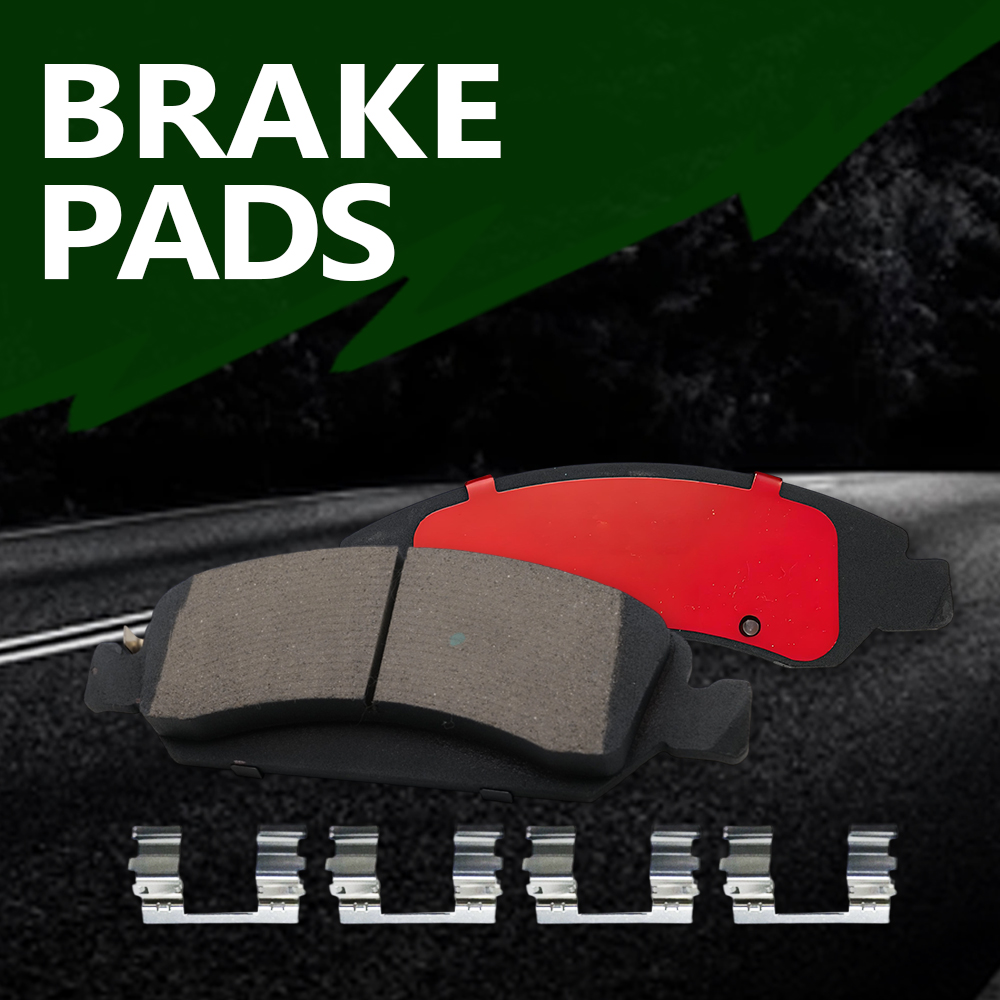
Choosing between ceramic and semi-metallic brake pads can be confusing. You hear that ceramic pads are quiet, and metal pads are strong. This guide cuts through the noise. We'll clearly compare both types and give you straightforward advice based on how you actually drive.
Meta Description (100 chars): Ceramic or metal brake pads? We compare noise, feel, cost, and lifespan to help you choose the right pads for your car and driving style.
Meta Description (100 chars): Struggling to choose brake pads? Our clear guide compares ceramic and semi-metallic types on performance, durability, and cost for everyday drivers.
It's time for new brake pads, and you're faced with a choice: ceramic or semi-metallic? Online opinions are everywhere. Some swear by the quiet comfort of ceramic, while others prefer the firm feel of metal. Let's simplify the debate. This guide breaks down the real differences and gives you practical advice to choose based on your own car and daily drive.
1. The Quick Comparison: See the Difference at a Glance
Before we dive deep, this table shows you the core differences and who each type typically suits best.
| Comparison | Ceramic Brake Pads | Semi-Metallic Brake Pads |
|---|---|---|
| Main Materials | Ceramic fibers, aramid fibers. Very low metal content (<5%). | Iron, copper, steel powders. High metal content (30-70%). |
| Key Strengths | Extremely quiet, low dust, gentle on rotors, great heat resistance. | Direct brake "feel," good cold-weather performance, affordable price. |
| Key Weaknesses | Higher initial cost; can feel less responsive when completely cold. | Can be noisy, produce black dust, wear down rotors faster. |
| Best For | Drivers who prioritize comfort and clean wheels. City/family cars, premium vehicles, EVs. | Drivers who want value and direct feedback. Cold climates; some performance/off-road uses. |
| Price Point | Higher (often 1.5-2x the cost of semi-metallic). | Economical. |
2. Detailed Breakdown: The Real-World Experience
A. Brake Feel and Performance
Ceramic Pads: Provide a smooth, linear pedal feel. Stopping power builds predictably, which passengers often find comfortable. They excel at resisting brake fade during long downhill drives or repeated hard stops.
Semi-Metallic Pads: Offer a more immediate, direct initial bite—often described as "grabbier." However, they can be more prone to fade under sustained extreme heat.
Your Takeaway: Prefer a smooth, controlled stop? Choose ceramic. Like a firm, instant response? Choose semi-metallic.
B. Noise and Comfort
Ceramic Pads: Their biggest advantage is quietness. They virtually eliminate high-pitched squealing and squeaking, especially in wet weather or during light braking.
Semi-Metallic Pads: More likely to produce noise, particularly at low speeds. This can annoy drivers who value a quiet cabin.
Your Takeaway: If you hate brake noise, ceramic is the clear winner.
C. Longevity and Wear
Ceramic Pads: They wear very slowly, often lasting 1.5-2 times longer than semi-metallic pads. Crucially, they are gentler on your brake rotors, significantly extending rotor life.
Semi-Metallic Pads: They tend to wear down faster themselves and are more abrasive, which can shorten your rotor's lifespan.
Your Takeaway: If you plan to keep your car for years, ceramic pads can save you money on total replacement costs (pads + rotors).
D. Cleanliness and Wheel Appearance
Ceramic Pads: Produce a light, grayish dust that doesn't stick aggressively to wheels. Your alloy wheels stay cleaner much longer.
Semi-Metallic Pads: Produce copious black, iron-based dust that quickly coats silver wheels, making them look dirty and requiring frequent cleaning.
Your Takeaway: If you love clean wheels and hate scrubbing brake dust, choose ceramic.
E. Climate and Driving Conditions
Ceramic Pads: Handle high heat superbly (over 600°C/1112°F), making them great for mountainous areas, spirited driving, or heavy vehicles.
Semi-Metallic Pads: Generally perform better in very cold temperatures, providing reliable braking from the first stop on a frosty morning.
Your Takeaway: Live in a hot, hilly region or drive hard? Lean ceramic. Live in a frigid winter climate? Consider semi-metallic.
3. How to Choose Based on Your Life
You Should Strongly Consider Ceramic Brake Pads If:
Your main use is city commuting and family trips, where quiet comfort is key.
You drive a premium sedan, SUV, or electric vehicle and want to maintain a refined feel.
You can't stand black, dusty wheels and want to wash your car less often.
You frequently drive on highways or mountain roads and need consistent braking.
You plan to keep your car long-term and want lower overall maintenance costs.
Semi-Metallic Brake Pads Could Be the Right Choice If:
You have a tight budget for this repair and need the lowest upfront cost.
You live in an area with long, harsh winters where cold-weather performance is critical.
You drive a performance car, truck, or tow regularly and prefer a very direct pedal feel (premium semi-metallic compounds exist for this).
Brake noise and dust don't bother you at all.
You plan to sell the vehicle soon and aren't concerned with long-term wear.
4. The Critical Safety Step: How to Avoid Bad Parts
Quality matters most for safety, regardless of type. Remember these points:
Check the Box: Look for the friction coefficient (FF rating), safety standard certifications (e.g., NAO D3EA), and manufacturer details.
Inspect the Pad: A quality pad has a smooth, even surface with no large cracks or rough edges.
Trust Proven Brands: Choose known brands like Bosch, Akebono, Wagner, Brembo, or Power Stop, or OEM-quality parts.
Install and Break-In Properly: Always have a professional mechanic install them. Then, follow the bed-in procedure (usually 300-500 miles of moderate braking) to ensure optimal performance and longevity.
The Bottom Line: It's About What's Right for You
There's no single "best" brake pad. Ceramic pads are an upgrade in comfort, cleanliness, and long-term value. You pay more upfront for a quieter, less messy, and often more economical ownership experience over the years.
Semi-metallic pads remain a reliable, cost-effective choice with a direct feel, perfect for specific needs and budgets.
Ask yourself: How do I drive most days? Do noise and dirty wheels annoy me? How long will I keep this car? Your honest answers will lead you to the right choice for your brakes and your peace of mind.