
How Often Should You Replace Your Car's Wear-and-Tear Parts?
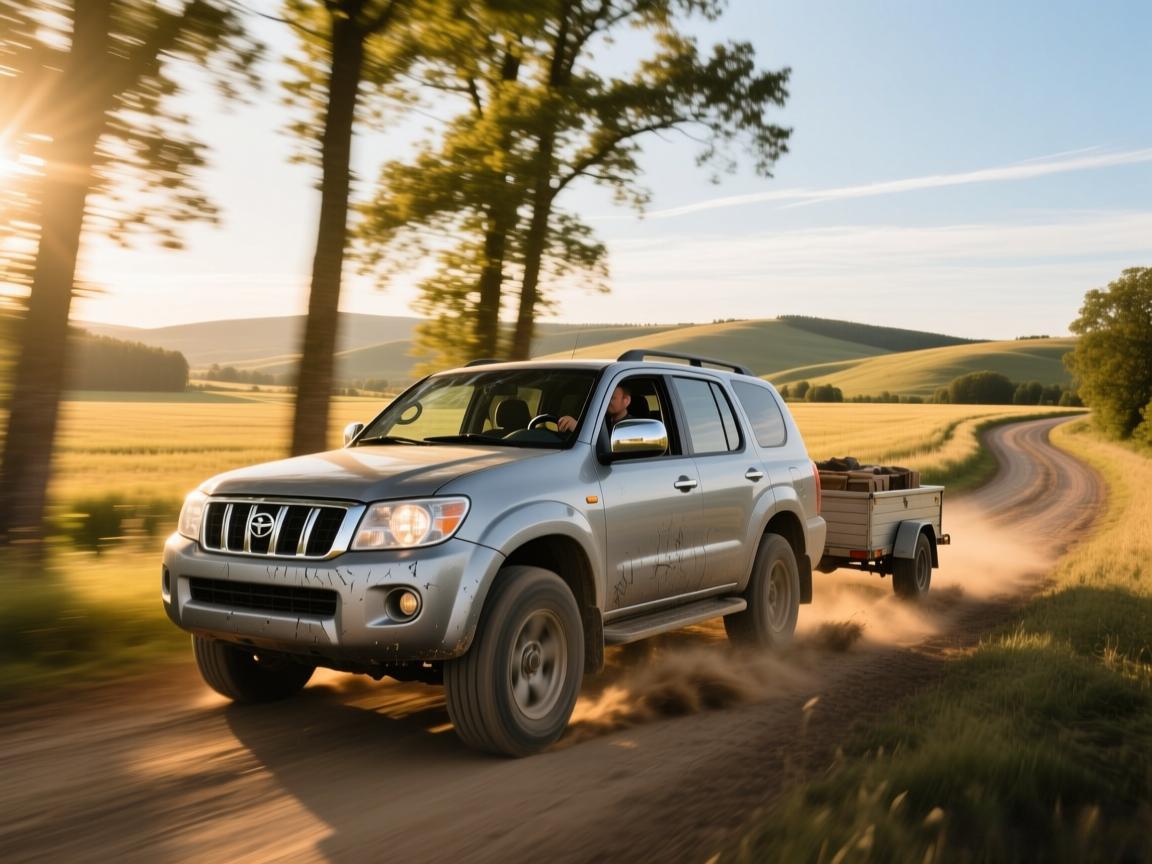
Wear-and-tear parts on a car gradually deteriorate and wear out over time, requiring regular replacement. Failing to replace these components in a timely manner can compromise driving safety and potentially lead to more significant damage. So, how often should you replace these common wear items? Here's a detailed guide to help you with your routine vehicle maintenance.
1. Tires
As the only part of your car making direct contact with the road, tires show the most obvious wear.
Replacement Interval: Generally, tires should be replaced every 30,000 to 50,000 miles.
Other Signs to Replace: However, if the tread depth is at or below 2/32 of an inch, or if you notice significant cracking, bulges, or damage on the sidewall, you should replace them immediately. Especially on front-wheel-drive vehicles, front tires typically wear out faster than rear ones, so pay extra attention.
2. Brake Pads
Brake pads are a consumable item, as frequent braking gradually wears them down.
Replacement Interval: Typically, brake pads need replacement every 20,000 to 40,000 miles.
Other Signs to Replace: If you hear a high-pitched squealing or grinding noise when braking, or if the brake pedal feels less responsive or goes deeper than usual, it's a strong indication that the pads are worn thin. Don't hesitate; get them replaced promptly.
3. Engine Oil & Oil Filter
Engine oil is vital for your engine, providing lubrication and cleaning.
Replacement Interval: Typically, conventional mineral oil should be changed every 5,000 miles or 6 months. Semi-synthetic oil can last a bit longer, around 7,500 miles or 7-8 months. Full synthetic oil can usually go 10,000 miles or 1 year.
Always replace the oil filter every time you change the oil to ensure the cleanliness of the new oil.
4. Engine Air Filter
The engine air filter acts like a mask for your engine, filtering out dust and debris from the air before it enters the engine.
Replacement Interval: It's generally recommended to replace it every 15,000 to 30,000 miles.
Other Signs to Replace: If you frequently drive in dusty or polluted conditions, you may need to replace it more often. Keeping your engine's "breathing" unobstructed is crucial.
5. Cabin Air Filter
The cabin air filter cleans the air entering your vehicle's interior through the heating and air conditioning system.
Replacement Interval: It's usually advised to replace it once a year.
Other Signs to Replace: If you notice musty or unpleasant odors when you turn on the A/C or heat, it's likely time for a new filter.
6. Spark Plugs
Spark plugs are responsible for igniting the air-fuel mixture. Their condition directly affects engine performance and efficiency.
Replacement Interval: Standard copper/nickel plugs typically last about 30,000 miles. Platinum plugs can go up to 60,000 miles, while long-life iridium plugs can often last 100,000 miles.
Other Signs to Replace: Difficulty starting the engine, engine misfires, rough idling, or poor acceleration can indicate worn spark plugs.
7. Car Battery
The battery provides the electrical power to start your car and run accessories when the engine is off.
Replacement Interval: A typical flooded lead-acid battery lasts 3-5 years. Enhanced Flooded Battery (EFB) types last about 3-5 years, and Absorbent Glass Mat (AGM) batteries can last 4-6 years.
Other Signs to Replace: If you experience slow engine cranking, dimming headlights (especially when starting), or need frequent jump-starts, it's time to check and likely replace the battery.
8. Windshield Wiper Blades
Wiper blades maintain a clear view through your windshield in rain or snow.
Replacement Interval: It's generally a good practice to replace them once a year.
Other Signs to Replace: If they streak, chatter, skip, or leave large areas unwiped, replace them immediately for safety.
9. Timing Belt
The timing belt is a critical engine component. If it breaks, it can cause catastrophic engine damage.
Replacement Interval: It's commonly recommended to replace it between 60,000 and 100,000 miles. Don't wait for it to fail. Refer to your owner's manual for the specific interval for your vehicle.
If your car uses a timing chain instead of a belt, it typically does not require scheduled replacement, though it can wear out over a very long period.
10. Clutch Disc (Manual Transmission)
The clutch disc allows for smooth starting, shifting, and temporary disconnection of the engine from the transmission. Its wear depends heavily on driving habits.
Replacement Interval: Typically, a clutch disc lasts around 50,000 to 70,000 miles, but this varies widely.
Other Signs to Replace: If you notice the clutch pedal feels different (engages very high or low), the car shudders when engaging the clutch, you smell burning, or revs increase without corresponding acceleration, the clutch may be slipping and need replacement.
11. Fuel Filter
The fuel filter's job is to remove impurities from the gasoline before it reaches the engine. There are two main types: inline (external) and those integrated into the fuel pump module.
Replacement Interval: Inline filters often need replacement every 15,000 to 30,000 miles. Filters integrated with the fuel pump can often last up to 60,000 miles or more.
Other Signs to Replace: Consider more frequent replacement if you often get fuel from stations with questionable fuel quality or drive in severe conditions (extreme dust, etc.).
Summary
The intervals above are general guidelines for common automotive wear items. The actual replacement time should always be based on your vehicle's specific usage, driving conditions, and, most importantly, the maintenance schedule in your owner's manual. Regularly inspecting these components and replacing them as needed is key to preventing safety hazards and extending your vehicle's life.
We hope this guide gives you a clear understanding of when to replace your car's wear-and-tear parts.